Experience the Divine Himalayas
Adi Kailash & Om Parvat Yatra 2026. Small Group Spiritual Expeditions from Uttarakhand
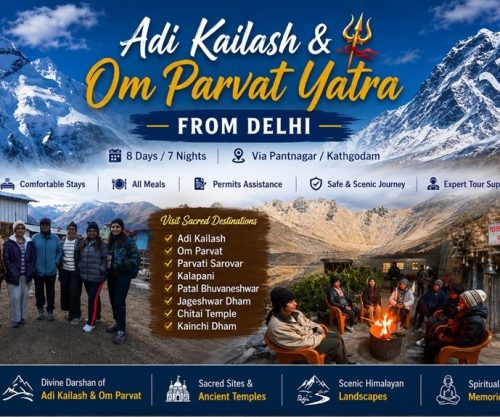
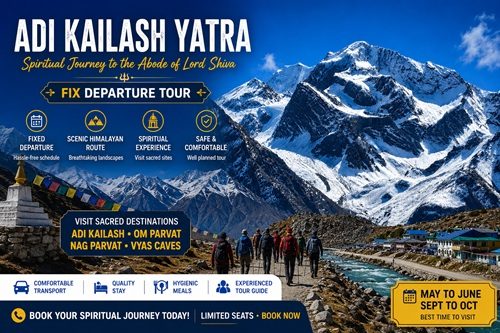
Experience the divine beauty of the Himalayas with our Fixed Departure Adi Kailash Yatra, crafted for a smooth, safe, and spiritually enriching pilgrimage. Journey through breathtaking mountain landscapes to sacred sites like Adi Kailash, Om Parvat, Nag Parvat, and Vyas Caves while enjoying comfortable accommodations, reliable transportation, and expert tour assistance. With guaranteed departures and seamless travel arrangements, every moment is designed to bring you closer to nature, faith, and inner peace. View More Details
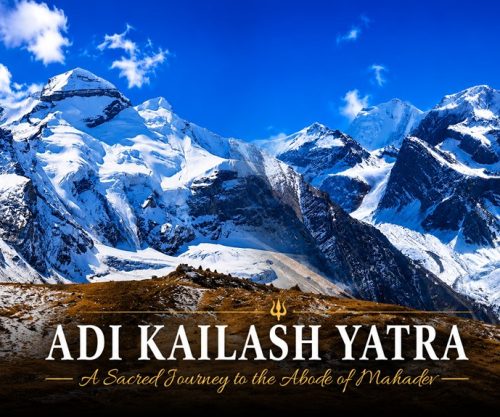
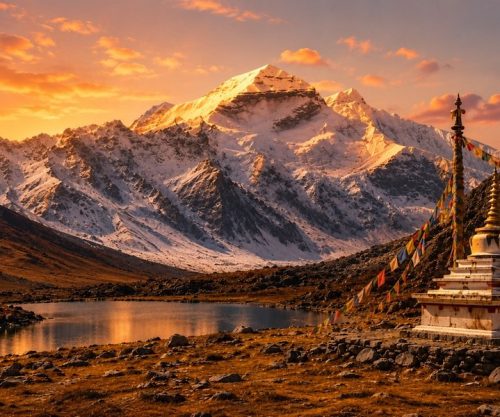
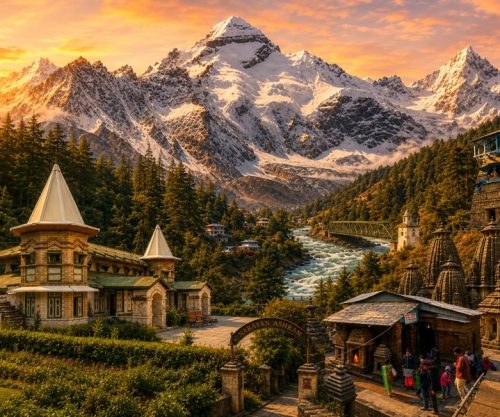
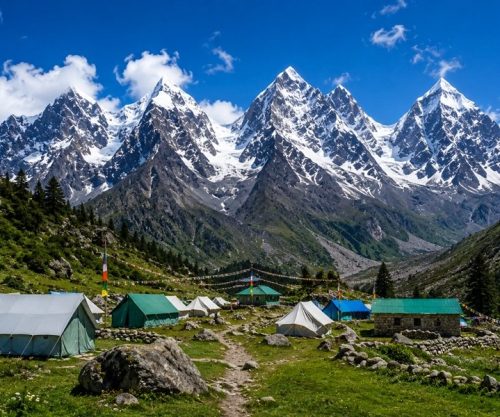
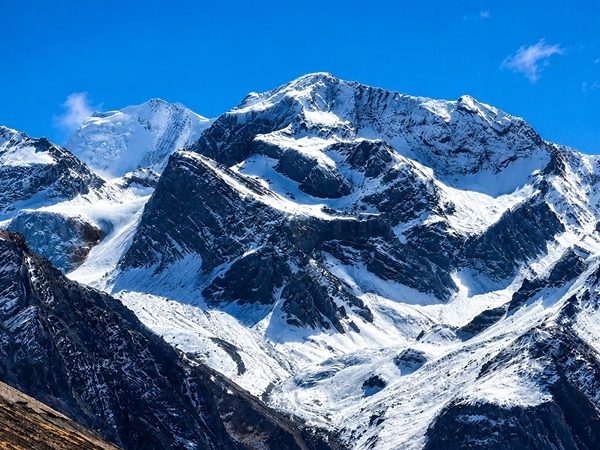
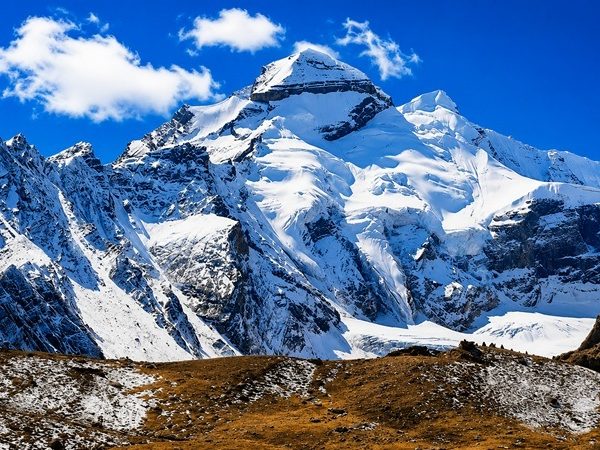
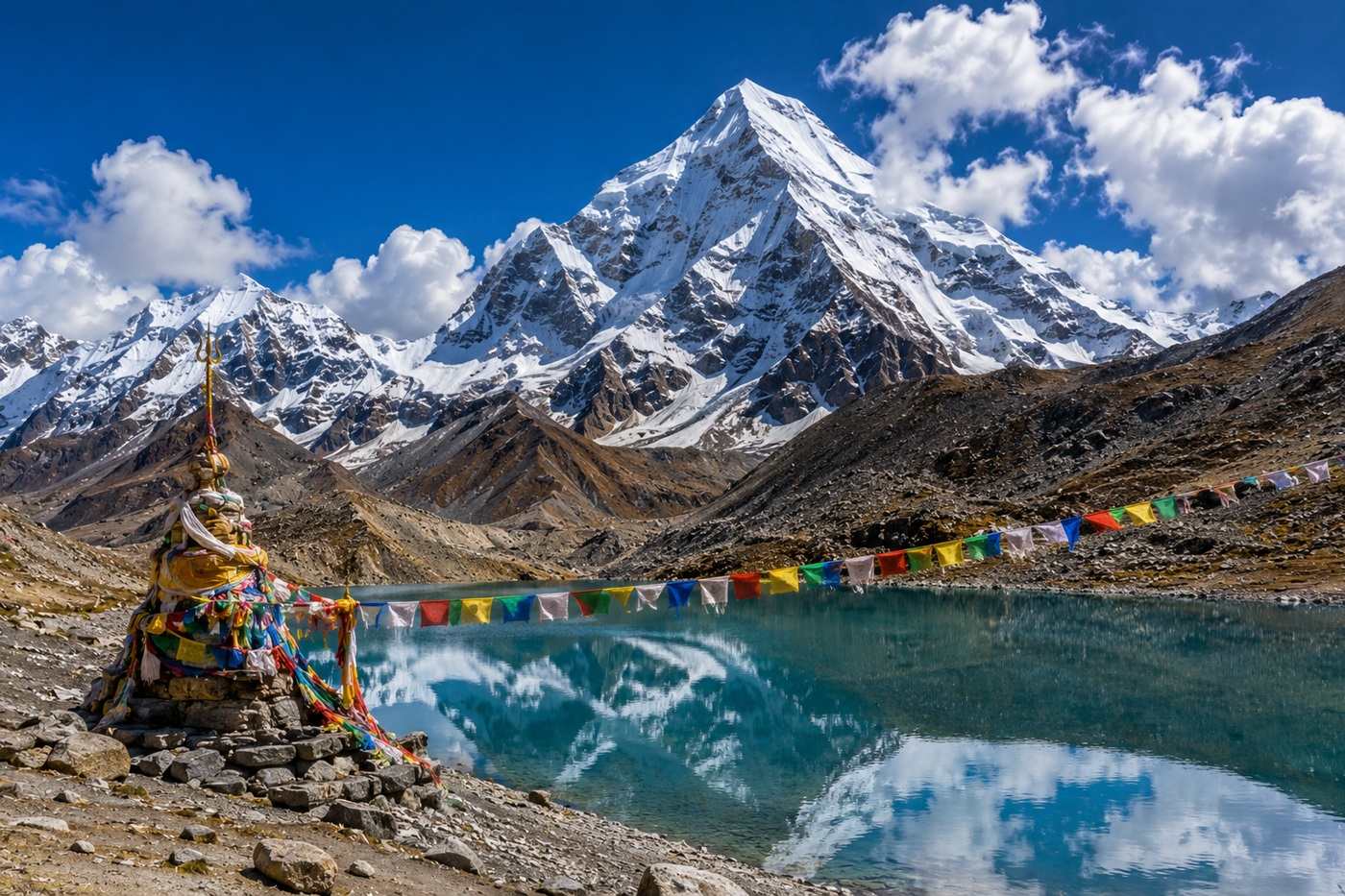
Adi Kailash Yatra is a sacred pilgrimage to Adi Kailash Peak, located in the Vyas Valley of Pithoragarh district, Uttarakhand. Revered as the earthly abode of Lord Shiva, the journey also includes the holy Parvati Sarovar and several spiritually significant Himalayan sites.
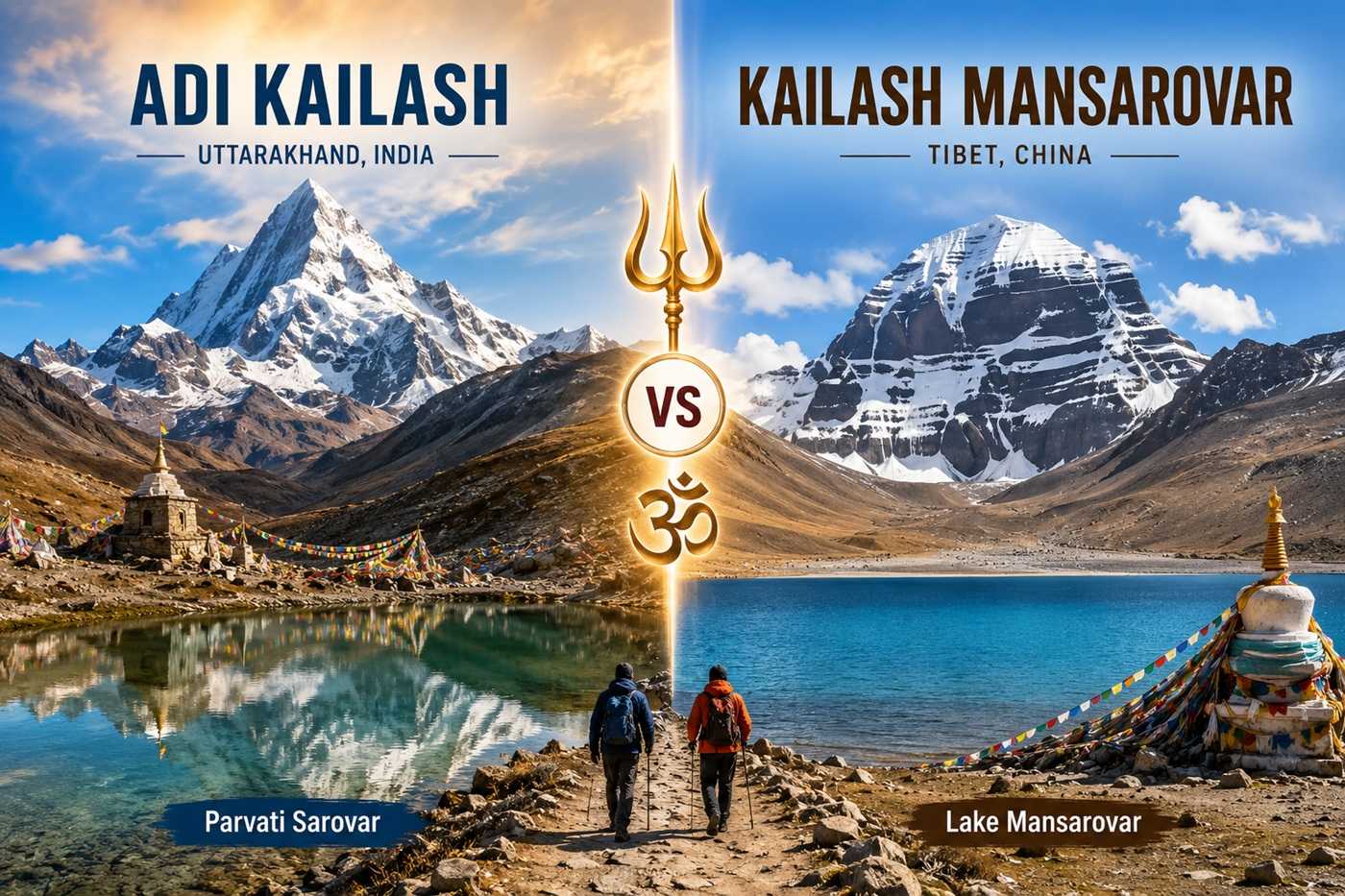
No. Adi Kailash is situated in Uttarakhand, India, while Mount Kailash lies in Tibet (China). Although they are different mountains, Adi Kailash is considered spiritually equivalent by many devotees and offers a similar divine experience without crossing international borders.
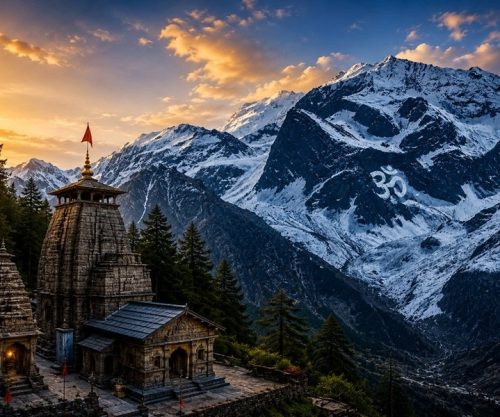
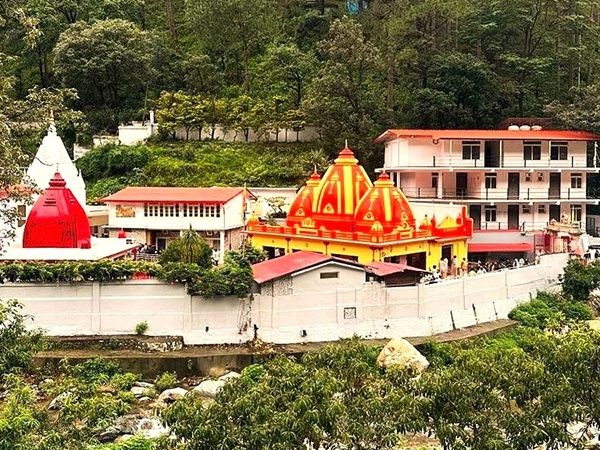
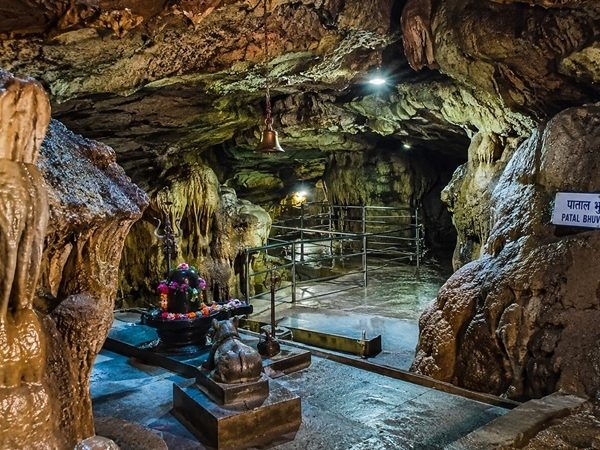
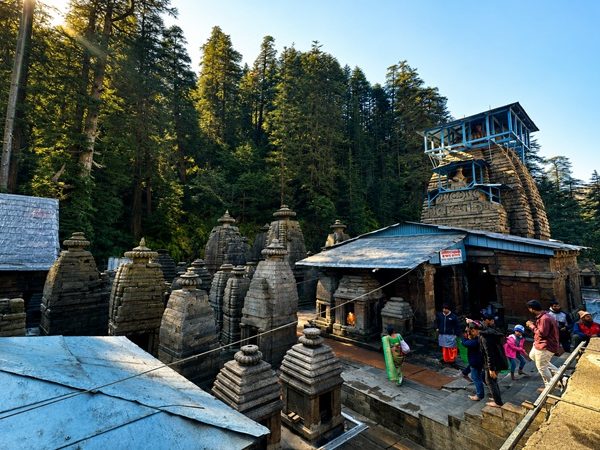
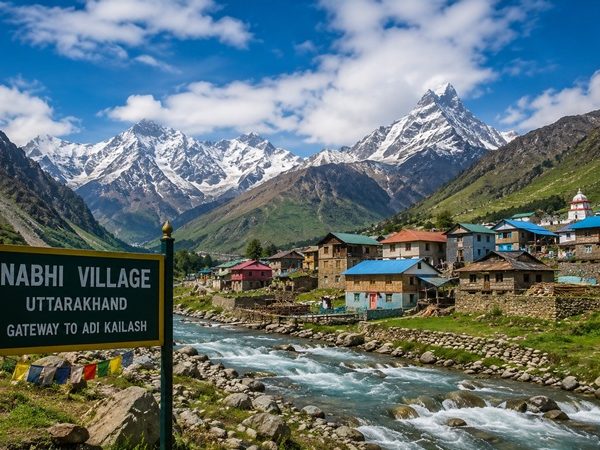
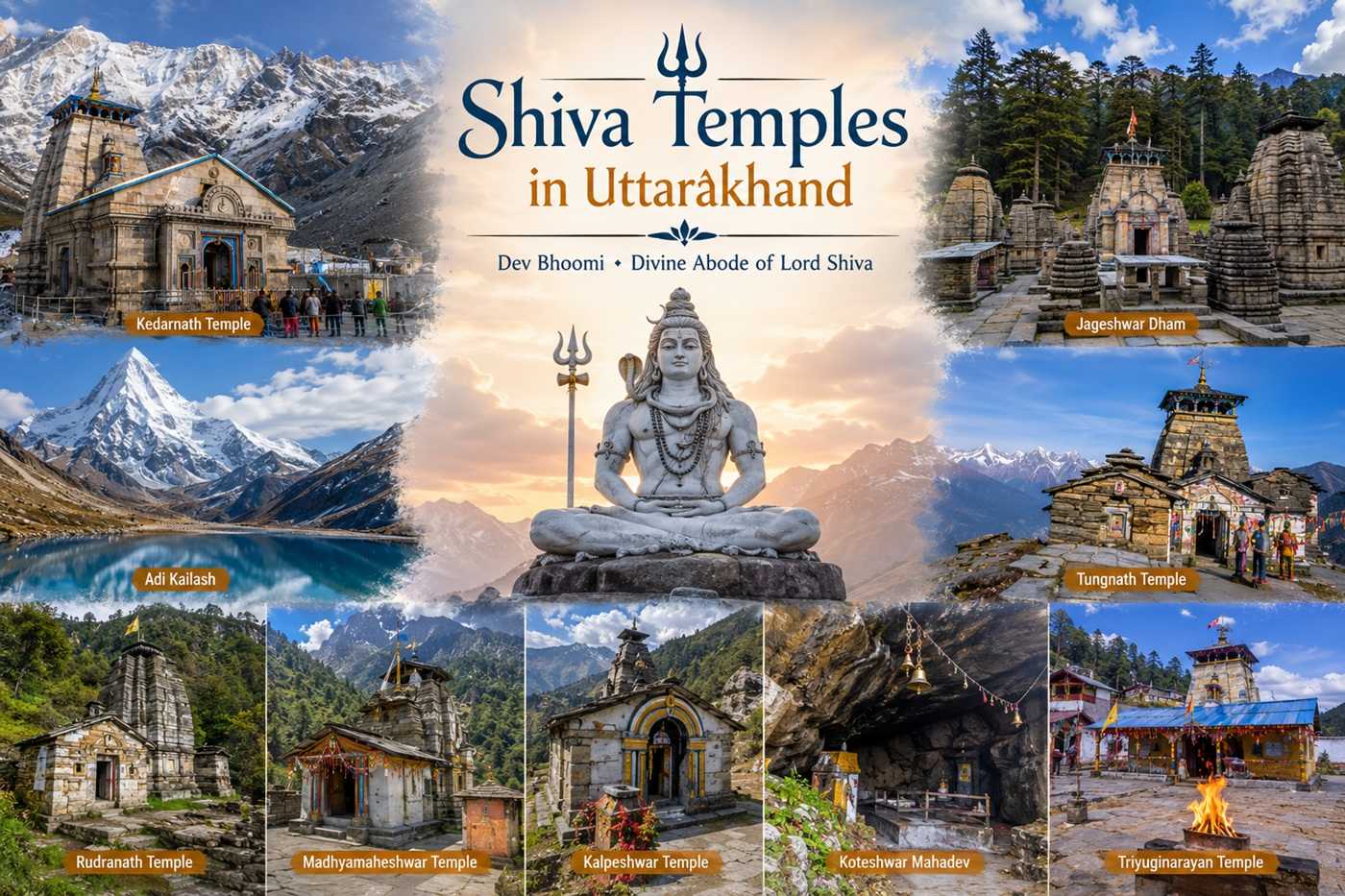
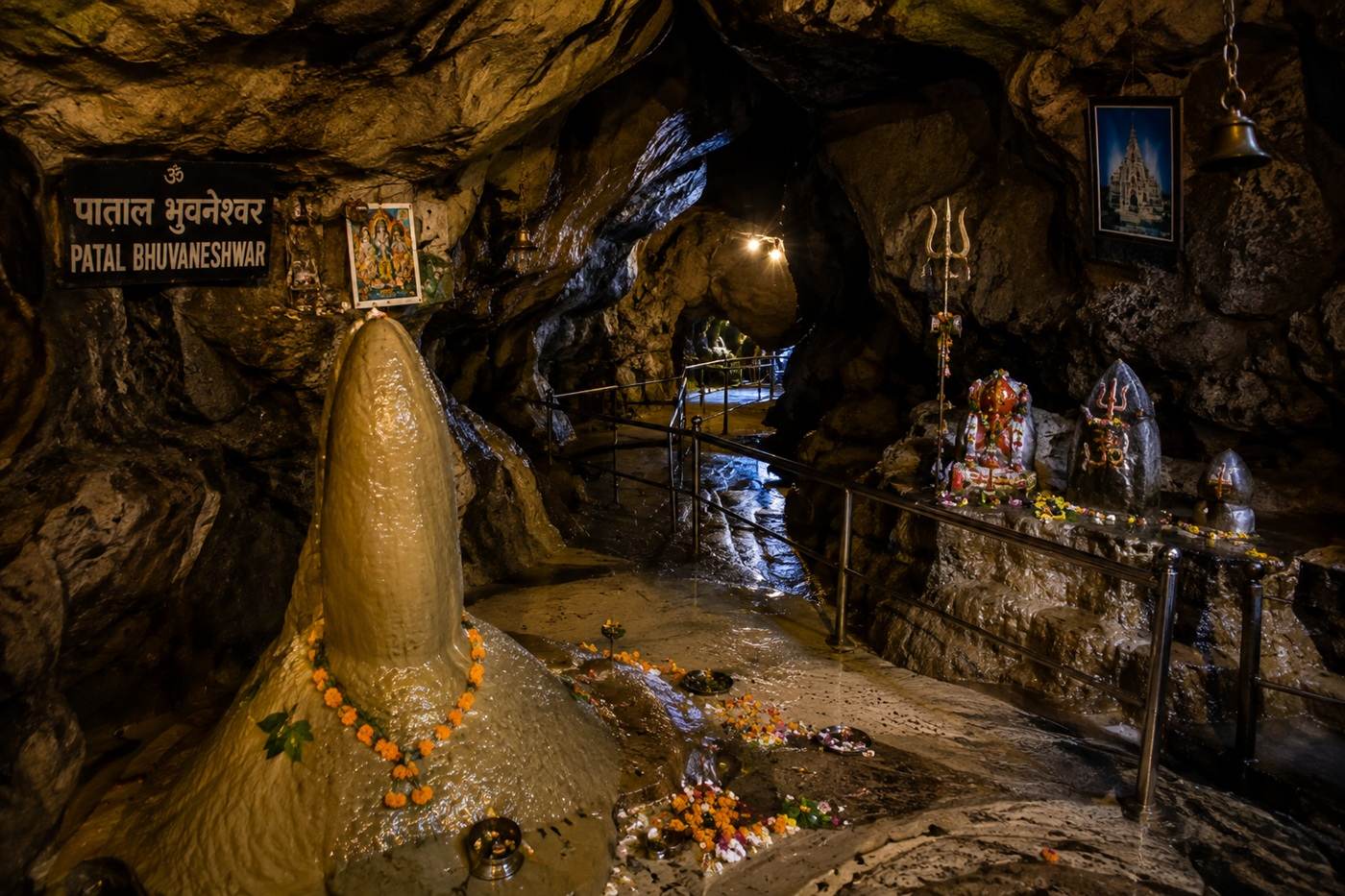
The yatra generally includes Adi Kailash, Om Parvat, Parvati Sarovar, Gunji, Nabi Village, Kuti Village, Kalapani, Vyas Gufa, and the sacred Kali River. Many itineraries also include Jageshwar Dham, Patal Bhuvaneshwar, Narayan Ashram, Kainchi Dham, or Chaukori.
The ideal season is from May to June and September to October. During these months, weather conditions are relatively stable, roads remain accessible, and mountain views are generally at their clearest.
Adi Kailash is located at an elevation of approximately 5,945 meters (19,505 feet), while visitors usually travel to viewpoints and nearby sacred sites situated at lower accessible altitudes.
Yes. Since the route passes through a sensitive border region, all travelers must obtain the required Inner Line Permit. Tour operators generally arrange the permit process after receiving the necessary identity documents from travellers.
Indian citizens typically need a valid government-issued photo ID, passport-size photographs, and any other documents required by the local administration. Requirements may change, so travellers should verify them before departure.
Yes. Many senior pilgrims successfully complete the journey each year. However, travellers with heart conditions, severe respiratory issues, or other serious medical concerns should consult their doctor before planning the trip.
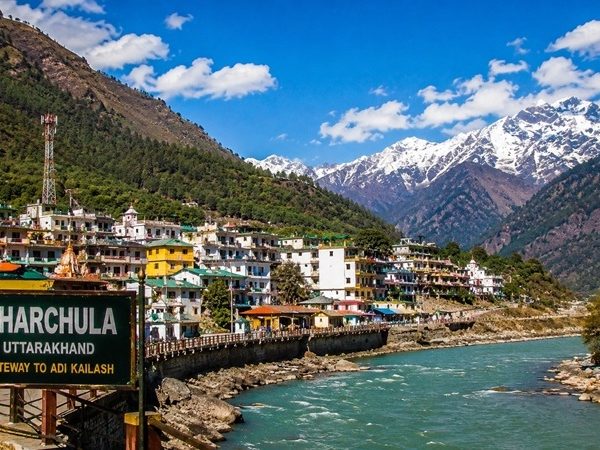
Mobile connectivity is available in towns like Dharchula but becomes limited or unavailable in higher Himalayan regions such as Gunji, Nabi, and Jolingkong. Travellers should expect intermittent network coverage.
Accommodation usually includes comfortable hotels, guest houses, tourist rest houses, or homestays, depending on the destination. Facilities become simpler as the journey progresses into remote Himalayan villages.
Fresh vegetarian meals are commonly served throughout the journey. Due to the remote terrain, meal options are simple, nutritious, and prepared according to local availability.
Yes, children can participate, provided they are healthy and capable of travelling long distances through mountainous terrain. Parents should consult their doctor before travelling with young children.
Carry warm clothing, comfortable trekking shoes, rain protection, sunglasses, sunscreen, personal medicines, identity documents, a reusable water bottle, and basic toiletries. Layered clothing is highly recommended due to changing mountain weather.
Depending on the starting point and sightseeing included, the tour usually ranges from 5 to 10 days. Longer itineraries provide better acclimatization and include additional spiritual and scenic destinations.